Confused About Compostable Certification Requirements for European Markets?
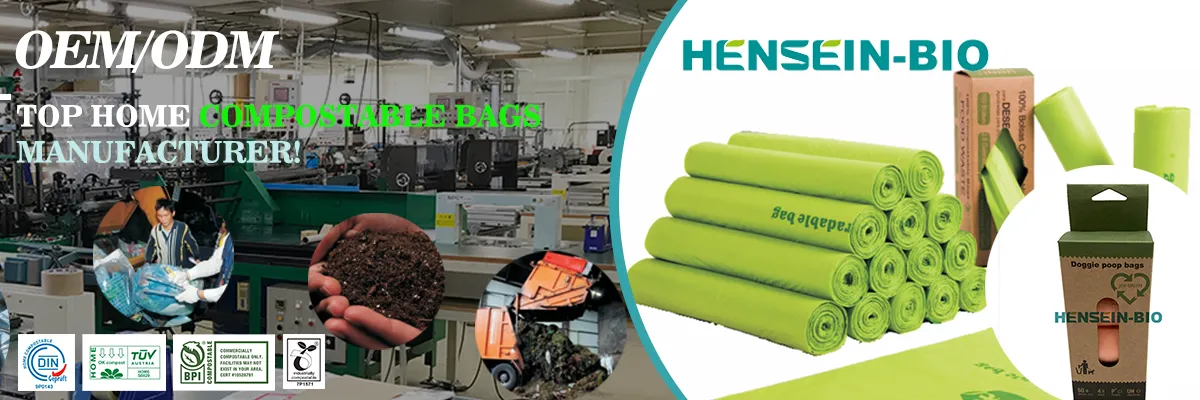
Many businesses struggle to navigate the complex certification landscape for biodegradable carrier bags in European markets. Understanding different standards like EN13432, OK compost, and various national requirements can be overwhelming. Choosing non-compliant products risks legal penalties, rejected shipments, and damage to brand reputation. As an established supplier, Hensein eliminates this confusion. Our compostable bags comprehensively pass European certification requirements, including DIN CERTCO and TUV Austria approvals. We guarantee full compliance with EU standards, ensuring your products meet all legal and environmental requirements for successful market entry and consumer acceptance.
Hensein is a reliable supplier of certified biodegradable carrier bags meeting all European standards. Our products hold EN13432, OK compost HOME and INDUSTRIAL certifications, ensuring legal compliance and environmental performance. We provide documentation and support for smooth market entry.
Complete Certification Portfolio and Quality Assurance
We maintain a comprehensive certification portfolio that meets all major European requirements for compostable bags. Our products are tested and certified by recognized European laboratories, including Belgium's OWS detection mechanism. We provide complete documentation and certification copies to support our clients' market compliance needs. Our quality control systems ensure every production batch maintains consistent certification standards. With over 16 years of expertise in biodegradable packaging, we understand the specific requirements of different European markets and help clients select the appropriate certifications for their target regions and applications.
Certifications for Biodegradable Carrier Bags in Europe
European certifications for biodegradable carrier bags follow strict standards to ensure genuine compostability and environmental safety. The key certification is EN13432, which specifies requirements for packaging recoverable through composting and biodegradation. Additional certifications include the OK compost INDUSTRIAL and OK compost HOME labels from TUV Austria, indicating suitability for respective composting environments. The Seedling logo is another recognized mark for industrially compostable packaging. These certifications verify that bags completely biodegrade within specified timeframes without leaving harmful residues. They also ensure material safety for compost quality and plant growth, providing consumers with trustworthy environmental claims.
Differences Between Biodegradable Shopping Bags and Reusable Bags
Biodegradable shopping bags and reusable bags serve different purposes in sustainable packaging strategies. Biodegradable bags are designed for single-use applications where bag return isn't practical, such as grocery shopping or retail purchases. They break down completely in composting facilities, addressing the waste problem of conventional single-use plastics. Reusable bags, typically made from thicker materials like non-woven polypropylene or cotton, are designed for multiple uses but have higher initial environmental costs in production. While reusable bags reduce waste through repeated use, they eventually become waste themselves and may not biodegrade effectively. Both solutions complement each other in comprehensive waste reduction strategies.
How Biodegradable Shopping Bags Help Reduce Marine Pollution
Biodegradable shopping bags significantly reduce marine pollution by breaking down safely in marine environments if accidentally released. Unlike conventional plastics that persist for centuries and fragment into microplastics, certified compostable bags decompose into natural components through microbial action. This process prevents long-term accumulation in oceans and reduces risks to marine life that often mistake plastic debris for food or become entangled. While proper waste management remains essential, the compostable nature of these bags provides an important safety net for marine ecosystems. Their rapid breakdown characteristics help protect aquatic environments from the devastating impacts of plastic pollution.
How Eco Shopping Bags Support Carbon Reduction
Eco shopping bags support carbon reduction through multiple mechanisms throughout their lifecycle. The production of compostable bags typically generates lower carbon emissions compared to conventional plastic manufacturing. More significantly, when these bags compost properly, they return carbon to the soil in a balanced cycle rather than releasing stored carbon as with fossil-fuel-based plastics. The composting process also creates valuable soil amendments that support plant growth, which subsequently absorbs atmospheric carbon. Additionally, by diverting organic waste from landfills where it would produce methane—a potent greenhouse gas—compostable bags contribute to overall emissions reduction in waste management systems.
About HENSEIN-BIO
HENSEIN-BIO is a professional 17+ years manufacturer in producing Home compostable & biogegradable bags including garbage bags , trash bags ,poop bags, dog bags, T-shirt bags, shopping bags, produce bags, handle bags and so on. We own the certificates of SGS, EN13432,ASTM D-6400, FDA food grade certificate, support color /size customization.
Welcome to consult for Catalog and Product. you can contact us at email [email protected]